Planet Safe Vibe

The Living Guide

A practical field guide to sustainable living in Dhaka.

Free, honest advice from our team — tested in real flats, with real budgets, in real Dhaka weather. No perfection required.

Six starting points

Pick the room you use most. Begin there.

Each guide lists three swaps you can make this week for under ৳500 in total.
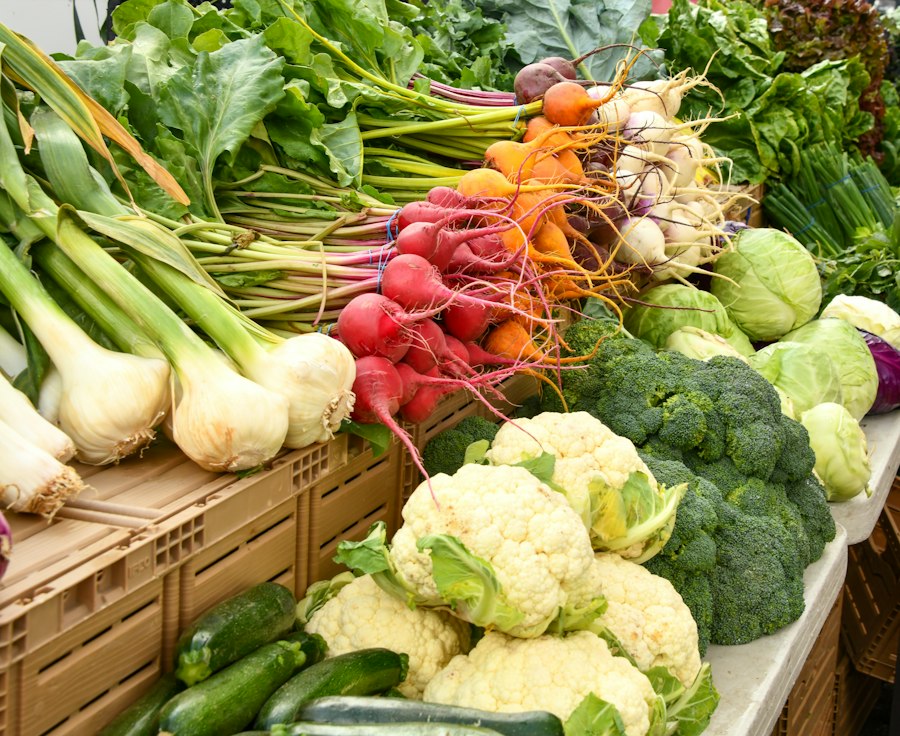
Fresh cauliflower, broccoli and vegetables at a market

Kitchen

Shop the bazar plastic-free

Local bazars are the easiest place to go plastic-free — vendors are happy to fill your own bags.
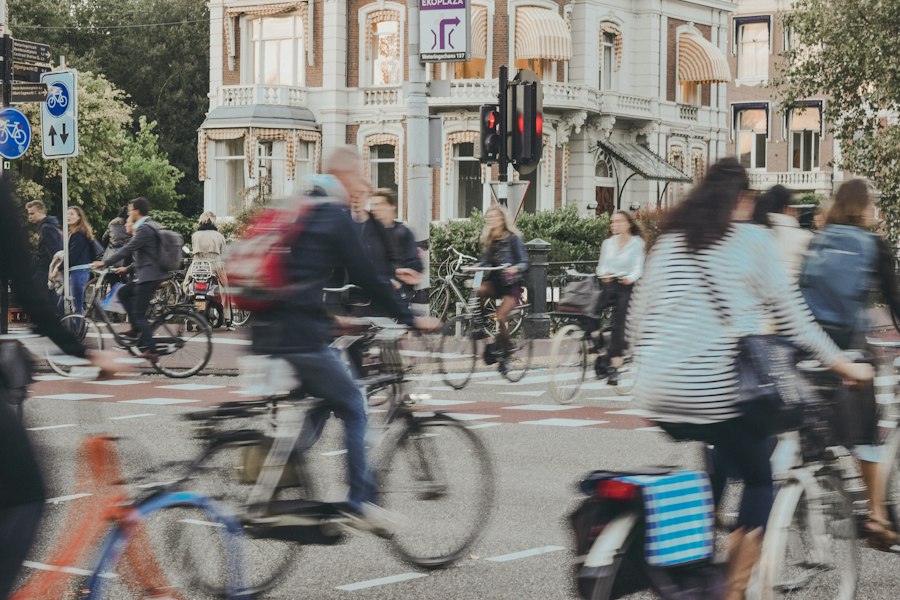
People riding bicycles along a city street

Transport

Short trips, lighter footprint

Half of Dhaka car trips are under 3 km. For those, a bicycle or rickshaw is often faster in traffic.
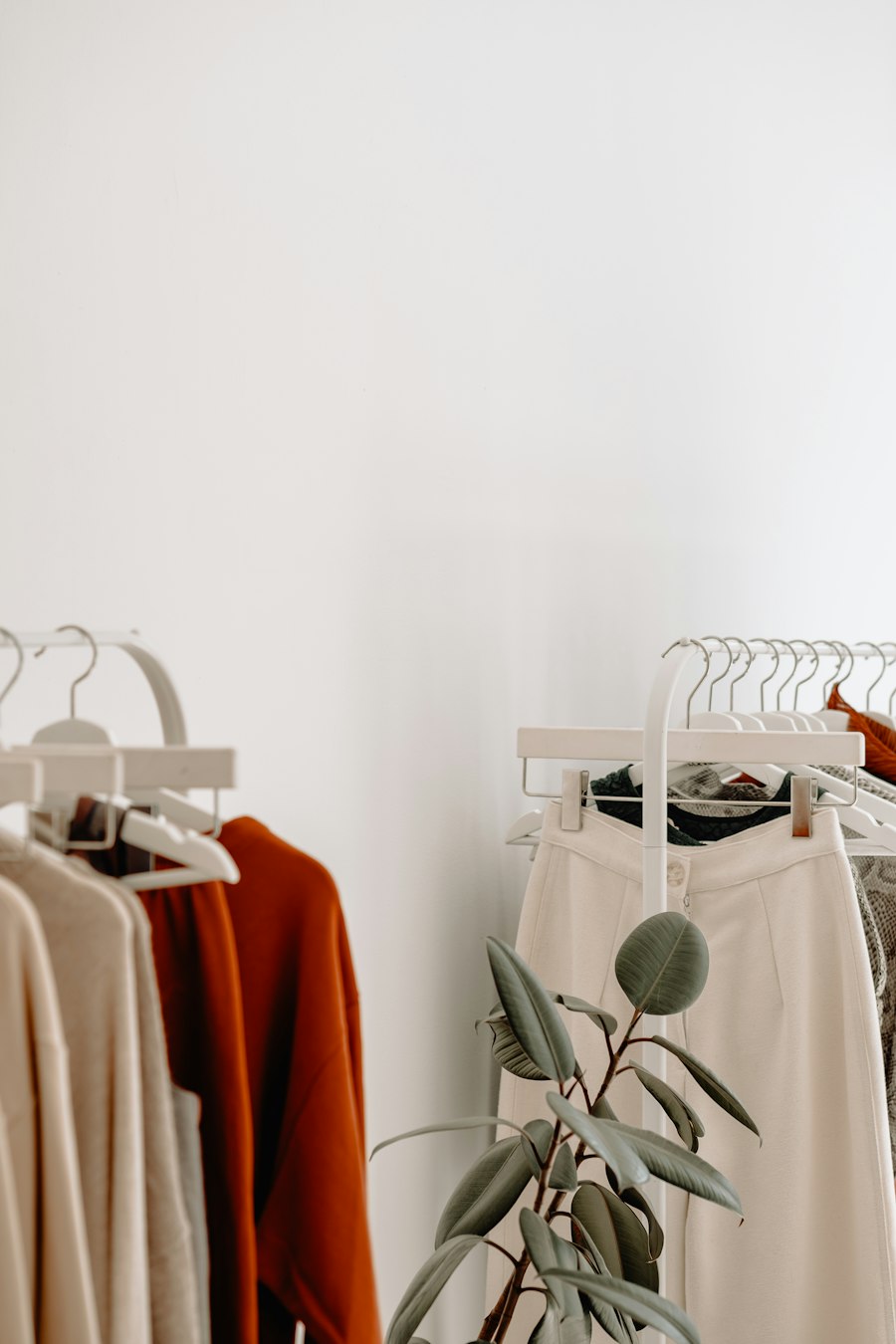
Neutral toned garments hanging on a clothing rack

Wardrobe

Buy less, wear longer

Bangladesh makes the world’s clothes; we can lead in caring for them too.
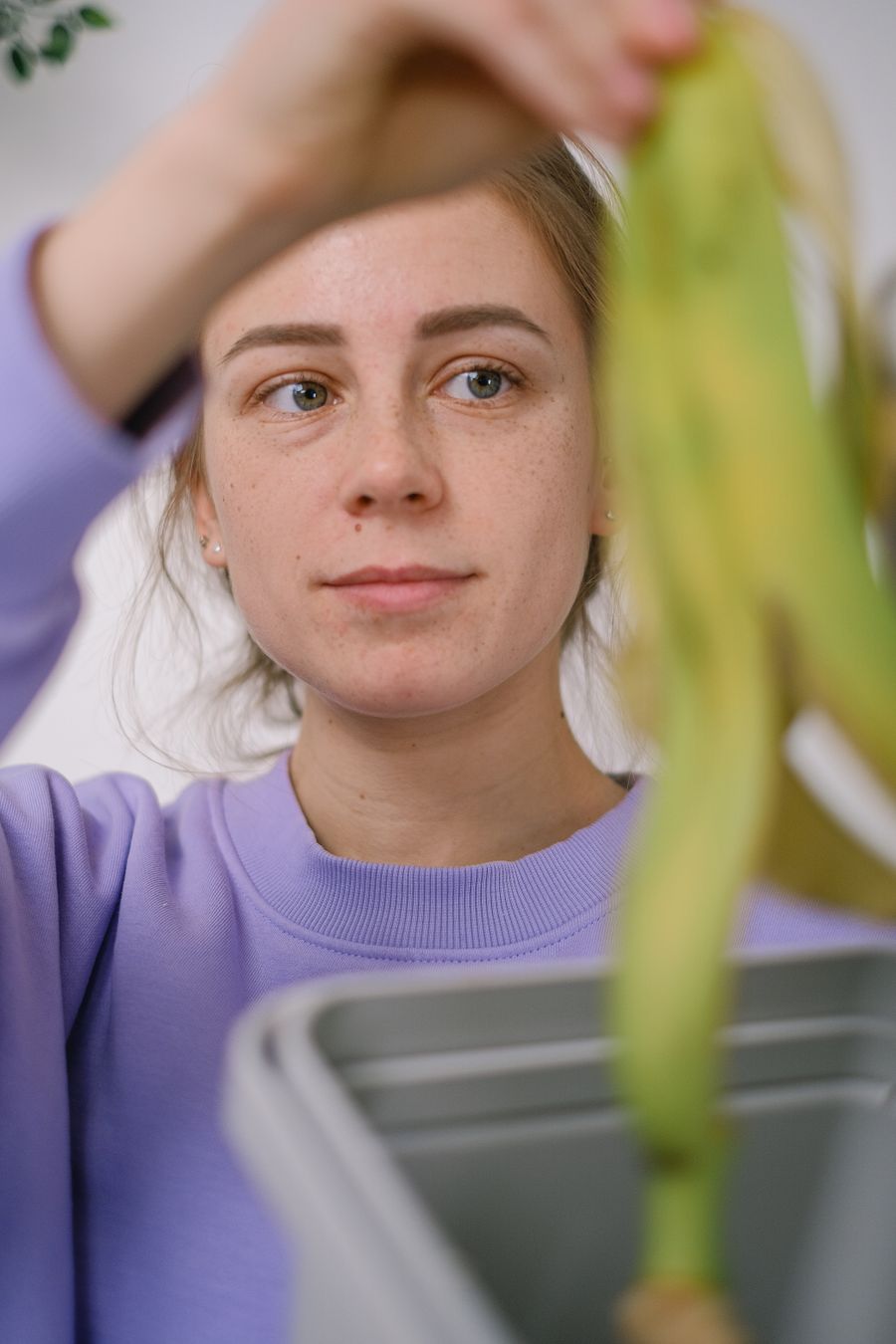
Woman holding a banana peel over a compost bin

Waste

Compost without the smell

Food scraps are 50–60% of household waste in Dhaka. Composting them shrinks your bin overnight.
Woman placing a paper bag inside a reusable mesh bag

Habits

Build a go-bag by the door

Most plastic arrives because we forget our reusables. Make remembering automatic.
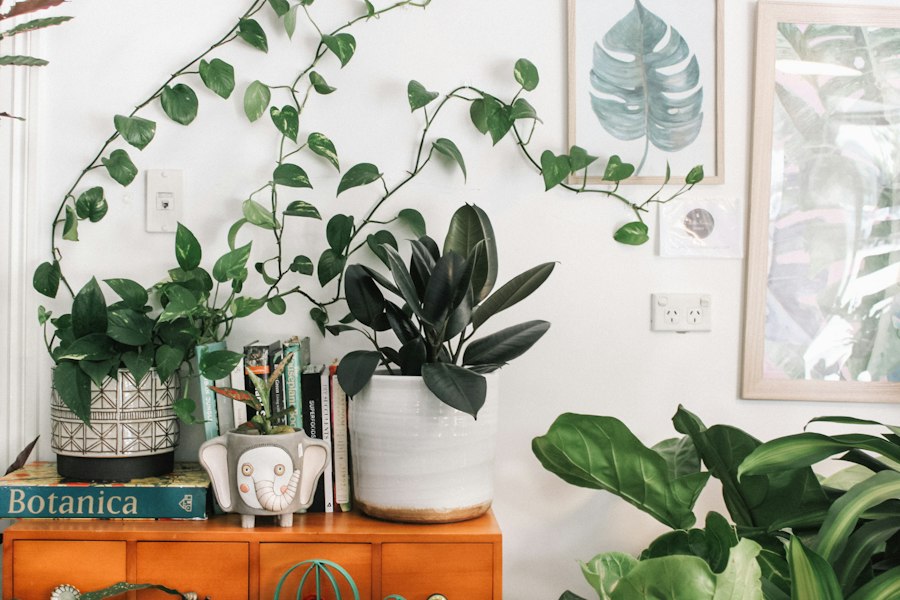
Green leafy houseplants beside a window

Home

Cooler rooms, cleaner air

Plants, shading and airflow can cut the hours your fan or AC runs during Dhaka summers.

The 30-day swap challenge

Four weeks. Twelve swaps. One lighter home.

Started 1 August 2026 with over 400 Dhaka households. Join anytime — print the list or save it on your phone.

Week 1

Carry

Week 2

Kitchen

Week 3

Bathroom

Week 4

Share

Eco glossary

Words that get thrown around — explained plainly

Marketing loves green words. Here’s what they should mean, so you can spot vague claims on any shelf in Dhaka.
‘Biodegradable’ has no time limit — many plastics technically biodegrade in centuries. ‘Compostable’ means it breaks down into safe soil within months under composting conditions. Ask: compostable where, and how fast?
Turning waste into something of equal or higher value — like cement sacks into shopping bags — without breaking it down first.
Buying the product without new packaging, using your own container. The oldest shopping habit in Bangladesh, now returning to cities.
The total greenhouse gases caused by an action or product. In Dhaka homes, cooking fuel, electricity and transport are the biggest parts.
Making a product seem more environmentally friendly than it is — through green colours, leaf logos or vague words like ‘natural’ with no proof.
A system where products are designed to be reused, repaired or recycled, so materials keep circulating instead of becoming waste.
Have a question the guide didn’t answer?

Send it to us on WhatsApp — our team replies within one working day, and the best questions become new guides.